
WHY HEAT AND COLD DESERVE A PLACE IN YOUR RECOVERY ROUTINE
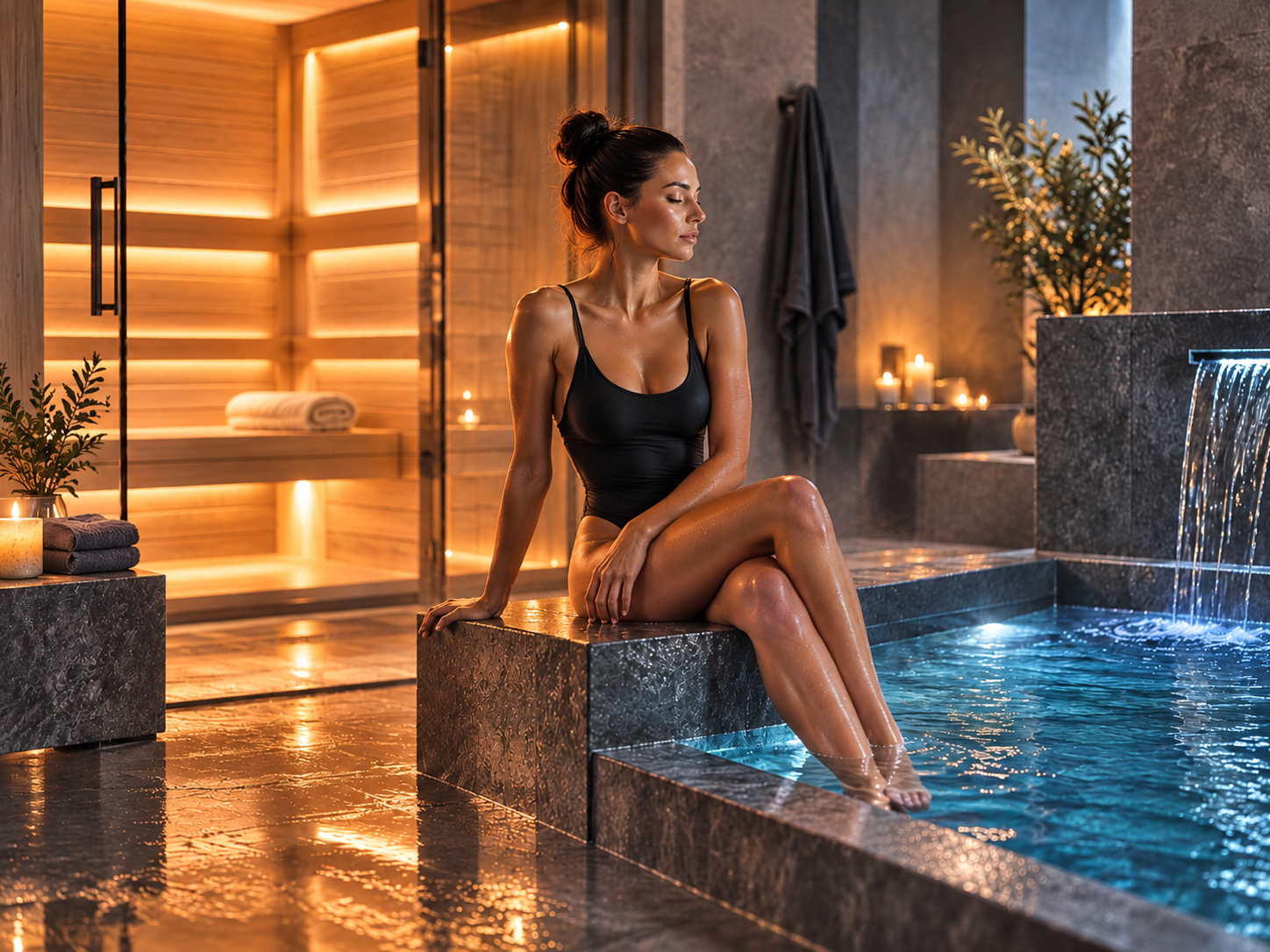
Recovery is often something we think about only when the body starts to complain.
A difficult training session, heavy legs, tight shoulders, poor sleep or persistent stiffness can suddenly make recovery feel important. But supporting the body before it reaches that point can be far more valuable than waiting until something feels wrong.
Infrared saunas and cold plunges have become increasingly popular in recent years, but behind the trend is a simple principle: exposing the body to controlled changes in temperature creates different physical and nervous system responses.
Heat encourages the body to soften and relax. Cold provides a very different, stimulating response.
Used intentionally, both can become useful tools within a wider recovery routine.
WHY TEMPERATURE HAS SUCH A POWERFUL EFFECT ON THE BODY
The body is constantly working to maintain a stable internal temperature.
When exposed to heat, blood vessels near the surface of the body widen and circulation increases as the body attempts to release heat.
Cold creates the opposite response. Blood vessels constrict and the body works to conserve warmth.
These changes affect more than temperature alone. They can influence how muscles feel, circulation, perceived soreness, alertness and the nervous system.
This is why stepping into an infrared sauna feels completely different from entering a cold plunge — and why each can have a different role within recovery.
WHAT INFRARED HEAT CAN DO FOR A TIRED OR TENSE BODY
Infrared saunas use infrared energy to warm the body rather than relying solely on extremely hot surrounding air.
For many people, this creates a more comfortable and deeply warming experience.
As the body warms, circulation increases and muscles can begin to feel less guarded and restricted. This can be particularly useful when the body feels stiff following training, prolonged sitting, repetitive movement or simply a demanding week.
Infrared sauna may be particularly helpful when you experience:
• muscular tightness or stiffness
• heavy or tired muscles
• reduced feelings of mobility
• difficulty physically switching off
• tension following long periods of sitting
• general physical or mental fatigue
There is also something important about simply being still.
Modern lifestyles rarely create natural opportunities to stop. Sitting somewhere warm, without training, working or rushing to the next task, can provide the nervous system with an opportunity to move towards a calmer state.
Recovery is not always something we need to actively perform.
Sometimes the body needs the right environment to allow it to happen.
WHY COLD EXPOSURE FEELS COMPLETELY DIFFERENT
Cold immersion creates an immediate and noticeable response.
Heart rate and breathing can initially increase as the body reacts to the sudden temperature change. Blood vessels constrict and attention becomes very focused on controlling the breath and adapting to the cold.
This is one reason many people describe stepping out of a cold plunge feeling refreshed, awake and mentally clear.
Cold water immersion is commonly used following demanding physical activity and may help reduce feelings of muscular soreness and fatigue.
It can be particularly appealing when:
• the body feels hot after training
• muscles feel tired or overworked
• you are experiencing post-exercise soreness
• your body feels sluggish or heavy
• you want to feel refreshed and alert
Cold does not need to be extreme to be effective.
More time in colder water is not necessarily better. Controlled exposure that feels challenging but manageable is generally more useful than treating the cold plunge as an endurance test.
SO WHY COMBINE HEAT AND COLD?
Moving between an infrared sauna and cold plunge creates what is commonly known as contrast therapy.
The experience repeatedly exposes the body to warming and cooling, creating changing circulatory and nervous system responses.
But one of the biggest benefits of contrast therapy may be much simpler.
It creates dedicated time to recover.
Instead of finishing training, returning to work or immediately moving onto the next task, you intentionally create a period where the only focus is allowing the body to reset.
Warm.
Cool.
Pause.
Repeat if it feels appropriate.
For some people, the transition between temperatures also makes them feel noticeably lighter, fresher and more energised afterwards.
The aim is not to tolerate the hottest sauna or remain in the coldest water for the longest time.
The aim is to listen to the body and use each environment intentionally.
RECOVERY ISN'T ONLY FOR ATHLETES
One of the biggest misconceptions surrounding recovery treatments is that they are designed primarily for athletes.
Physical stress does not come exclusively from exercise.
Long hours at a desk, standing throughout the working day, driving, childcare, poor sleep, repetitive movement and mental stress can all influence how the body feels.
Someone who has spent eight hours sitting at a computer may finish their day feeling just as physically tight and fatigued as someone returning from training.
Recovery can therefore be useful whether you are preparing for your next competition or simply want your body to feel better during everyday life.
BUILDING RECOVERY INTO YOUR ROUTINE
Occasional recovery sessions can feel good, but the greater opportunity comes from changing the way we think about recovery altogether.
It shouldn't always be something we turn to because something hurts.
Just as training, movement, nutrition and sleep form part of looking after the body, recovery can become part of the routine too.
That might mean using the infrared sauna when your body feels particularly tight.
Choosing the cold plunge following a demanding training week.
Combining both when you enjoy the physical and mental reset of contrast therapy.
Or simply spending an hour away from screens and responsibilities, allowing your body to slow down.
The right approach will look different for everyone.
CREATING SPACE TO RECOVER AT STRETCH BAR
The Recovery Suite at Stretch Bar has been designed to make recovery feel accessible rather than intimidating.
You can move between the infrared sauna, cold plunges and cold bucket shower at your own pace, taking time between rounds to sit on the loungers, gently stretch or simply pause.
There is no requirement to use everything.
Some days your body may want warmth.
Other days you may enjoy the cold.
And sometimes the combination of both is exactly what you need.
Recovery should respond to the body in front of you — not simply follow a trend or rigid protocol.
RECOVERY SHOULD HAPPEN BEFORE YOUR BODY DEMANDS IT
We are often very good at asking our bodies to do more.
Another workout.
Another run.
Another working day.
Another busy week.
But performance, movement and physical wellbeing are not built through demand alone.
The body also needs opportunities to recover from that demand.
Infrared sauna and cold immersion are not shortcuts, cures or replacements for movement, sleep and good recovery habits.
They are tools.
And when used as part of a balanced routine, they can create something many of us are missing — dedicated time to stop, reset and allow the body to recover.
Because recovery shouldn't begin when your body finally forces you to slow down.
It should be part of how you look after it in the first place.
Recover stronger.