
HOW MODERN LIFESTYLES CONTRIBUTE TO MUSCLE TENSION
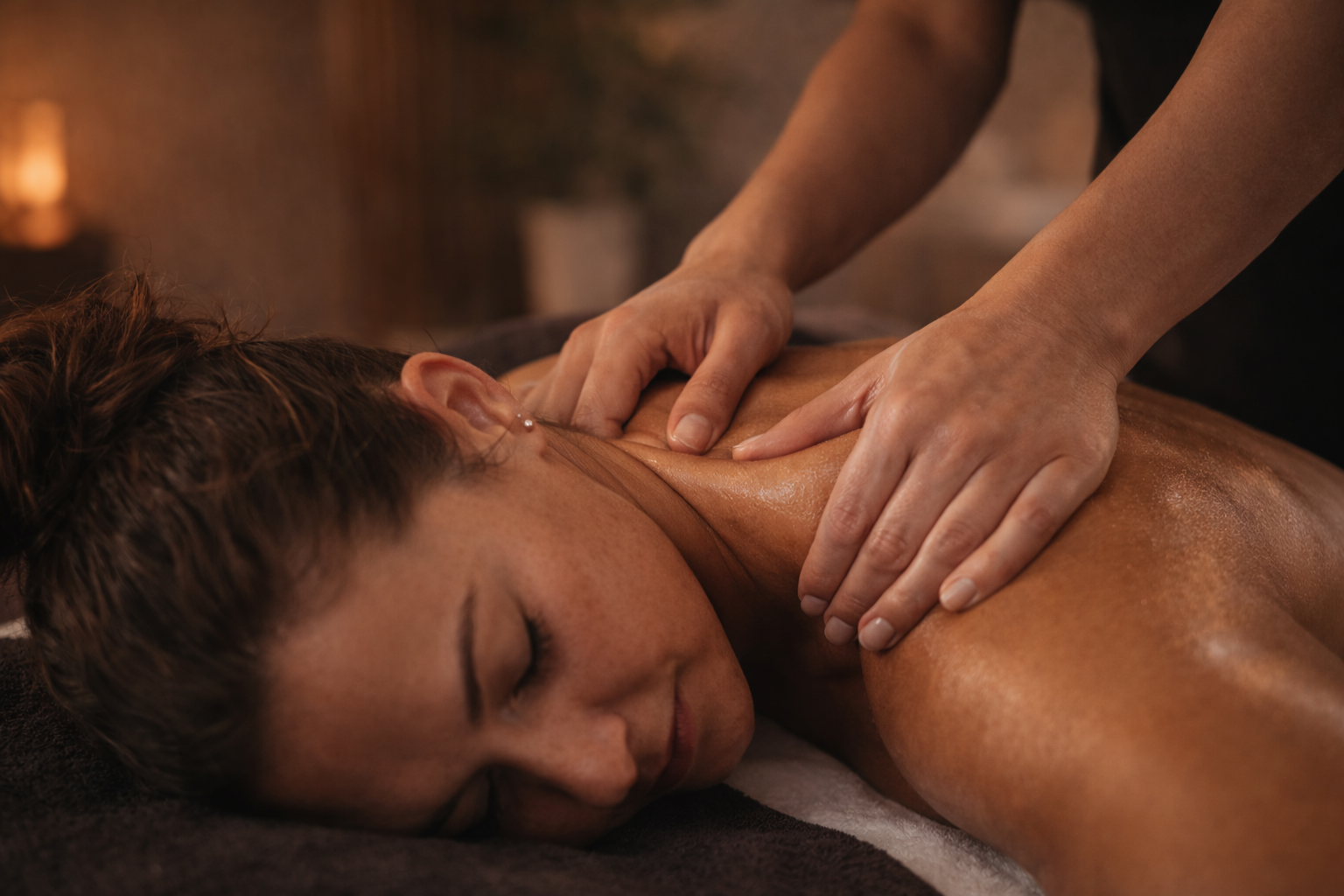
Muscle tension is often associated with exercise or physical strain, but everyday habits can contribute just as significantly to how the body feels.
Long hours sitting, repetitive posture patterns, screen exposure, limited movement variety, and ongoing mental demands can all influence how muscles respond and adapt over time. While these factors may not feel physically demanding in the moment, the body still experiences them as stress.
Gradually, the nervous system and muscular system begin to adapt to these repeated patterns. This can lead to areas of persistent tightness, reduced mobility, and a feeling that the body never quite switches off.
At Stretch Bar in Perth, many clients describe feeling “tight everywhere” without necessarily having experienced a specific injury. Often, the cause is an accumulation of daily lifestyle patterns rather than a single event.
Understanding how modern habits influence muscle tension can help you take small steps to support better movement and long-term physical comfort.
HOW DAILY HABITS INFLUENCE MUSCLE TENSION
The body is designed to move regularly and experience a variety of positions throughout the day. However, modern routines often involve prolonged periods in similar positions, particularly sitting.
Common lifestyle factors that may contribute to tension include:
long hours at a desk
frequent phone or laptop use
limited breaks from sitting
repetitive movement patterns
low movement variability
high cognitive workload
poor sleep quality
limited time for recovery
When the body remains in similar positions for extended periods, certain muscle groups can become overactive while others become less engaged. Over time, this imbalance can influence posture, flexibility, and overall movement quality.
Many people experience tension in the neck and shoulders from screen use, stiffness in the hips from sitting, or lower back tightness from reduced spinal movement throughout the day.
These patterns often develop gradually, making them easy to overlook until discomfort becomes more noticeable.
THE ROLE OF THE NERVOUS SYSTEM
Muscle tension is not always purely mechanical. The nervous system also plays an important role in how relaxed or guarded muscles feel.
Stress, busy schedules, constant notifications, and mental workload can keep the body in a slightly heightened state of alertness. When this happens, muscles may remain subtly contracted as a protective response.
Breathing patterns can also become shallower during periods of stress, reducing oxygen efficiency and reinforcing tension patterns in the neck, shoulders, and chest.
Over time, these responses can contribute to:
persistent tightness
reduced mobility
feelings of physical fatigue
tension headaches
restricted movement patterns
Supporting the nervous system is often just as important as addressing muscular tightness directly.
SIGNS LIFESTYLE FACTORS MAY BE CONTRIBUTING TO TENSION
Common indicators include:
tight shoulders after working on a laptop
stiff hips after long periods sitting
reduced flexibility despite stretching
jaw tension or clenching
recurring upper or lower back tightness
feeling physically tense during busy periods
feeling stiff when getting up from sitting
limited range of movement
These responses are common and often improve when recovery becomes part of a regular routine.
SUPPORTING THE BODY THROUGH CONSISTENT RECOVERY
Small, consistent interventions can help counteract the effects of sedentary routines and daily stress.
Helpful approaches may include:
gentle mobility work throughout the day
taking regular movement breaks
supporting posture through ergonomic adjustments
prioritising consistent sleep patterns
introducing treatments that support muscle relaxation and mobility
creating simple rituals that allow the nervous system to reset
Sports Massage & Deep Tissue Recovery can help reduce muscular tension and support circulation in areas affected by repetitive posture patterns or physical activity.
Explore: Sports Massage & Deep Tissue Recovery
Stretch Therapy & Assisted Stretching can help improve flexibility and range of motion through guided movement, supporting the body to release areas of tightness safely.
Explore: Stretch Therapy & Assisted Stretching
The Infrared Sauna & Ice Baths can support circulation, encourage relaxation, and help the body feel more balanced following periods of stress or physical demand.
Explore: Infrared Sauna & Ice Baths
Relaxation-focused treatments can also help calm the nervous system while encouraging muscles to release tension more naturally.
Explore: Relaxation & Pregnancy Massage
BUILDING A MORE BALANCED RELATIONSHIP WITH MOVEMENT
The goal is not to eliminate sitting or avoid modern technology, but to create balance between activity and recovery.
When recovery becomes consistent, the body often feels:
more comfortable during daily movement
less restricted after long periods sitting
more responsive during exercise
less prone to recurring tension
more resilient to daily demands
Consistency often produces greater results than occasional intensive efforts.
For those looking to build regular support into their routine, Membership options provide a structured approach to maintaining mobility and physical comfort.
You can also learn more about the philosophy behind our integrated approach on the About page, or explore the full range of Treatments available.
Supporting recovery regularly can help the body adapt more comfortably to modern lifestyles.
Recover stronger.
