
HOW STRESS SHOWS UP IN THE BODY (AND HOW RECOVERY CAN HELP)
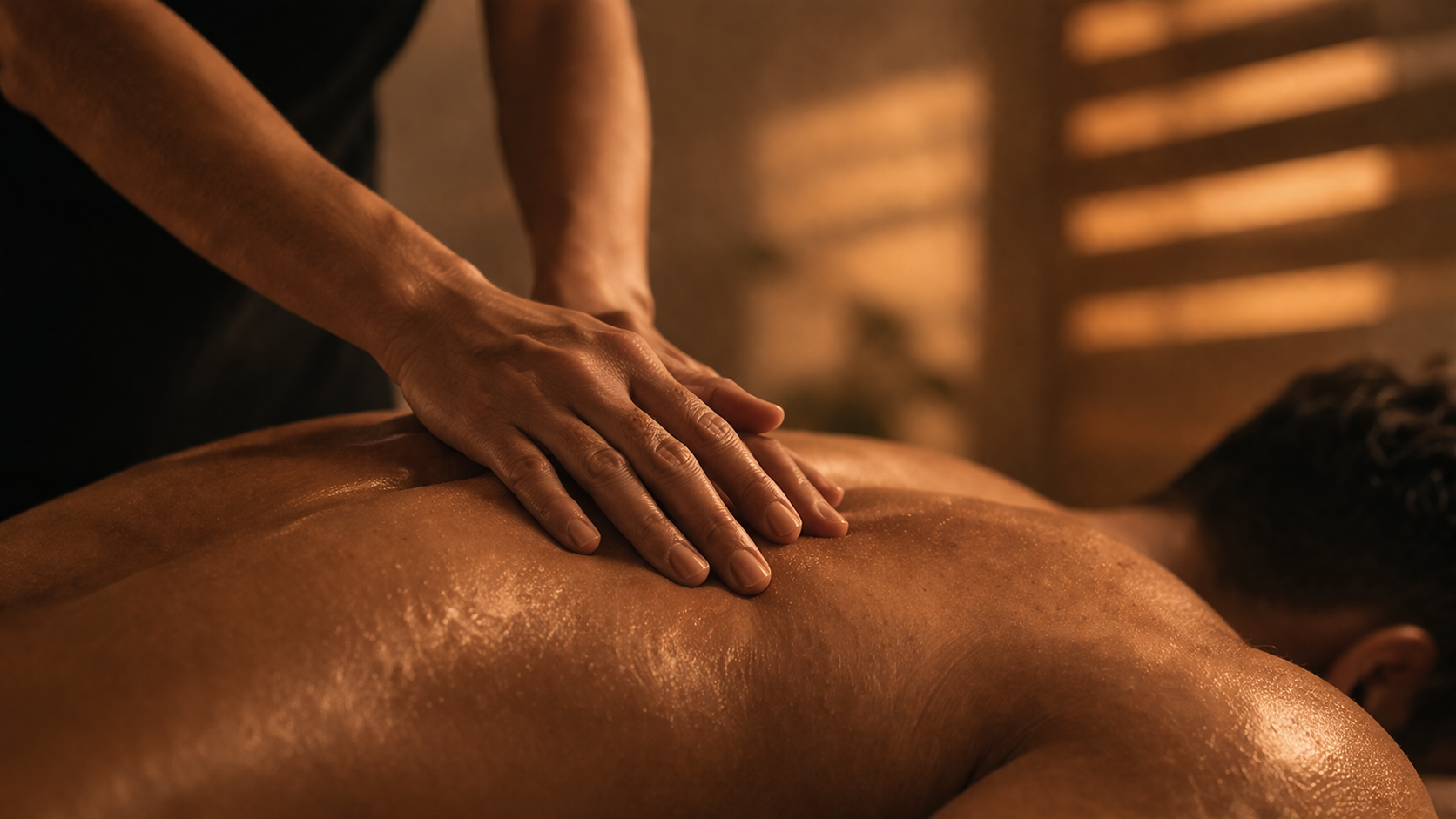
Stress is often described as a mental experience - racing thoughts, pressure, deadlines, or feeling overwhelmed. But the body experiences stress just as strongly as the mind does.
It can present as tight shoulders that never fully release, shallow breathing, recurring headaches, disrupted sleep, low energy, stiff hips, jaw tension, digestive discomfort, or a constant sense of feeling “switched on.”
Over time, ongoing stress can influence how the nervous system functions and how the body moves. Understanding this connection is often the first step toward feeling better physically as well as mentally.
At Stretch Bar, many clients initially seek treatment for muscle tightness or discomfort, only to realise that underlying stress patterns are also contributing to how their body feels day to day.
STRESS LIVES IN THE NERVOUS SYSTEM
The nervous system is constantly scanning the environment for signs of safety or threat. When it perceives pressure - whether physical, emotional, or psychological - it activates the sympathetic response, often referred to as fight or flight.
This response increases heart rate, sharpens focus, redirects blood flow toward muscles, and prepares the body for action. In short bursts, this system is protective and necessary.
However, modern life often exposes us to continuous low-level stressors: busy schedules, constant notifications, poor sleep, long periods sitting, high training loads, or limited time for recovery.
When the nervous system remains in this heightened state for extended periods, the body finds it harder to access the parasympathetic state - the mode responsible for tissue repair, digestion, immune function, and deeper recovery.
Without regular opportunities to reset, physical tension can become the body’s default.
HOW STRESS CAN MANIFEST PHYSICALLY
When stress becomes persistent, the body adapts in ways that can lead to discomfort, reduced mobility, and recurring tightness.
Muscles often remain partially contracted as a protective response, which can show up as tension in the neck, shoulders, hips, or lower back.
Breathing patterns may become shallow and chest-dominant, reinforcing nervous system activation and reducing oxygen efficiency.
Circulation may become less efficient, slowing tissue recovery and contributing to fatigue.
Movement quality can decline as joints lose range and muscles compensate for restriction.
Sleep quality may also be affected, further limiting the body’s ability to recover.
These changes often develop gradually, becoming easy to overlook until stiffness or discomfort becomes difficult to ignore.
WHY STRETCHING ALONE DOESN’T ALWAYS RESOLVE STRESS TENSION
Many people try to stretch away stress-related tightness. While stretching can feel beneficial, it doesn’t always create lasting change if the nervous system remains in a heightened state.
If the body still perceives pressure or overload, muscles often return to familiar tension patterns.
Long-term change happens when the nervous system is supported alongside the muscles and connective tissues. When the body feels safe to release tension, movement patterns can begin to improve more naturally.
This is why recovery works best when both the physical and neurological aspects of stress are considered together.
SIGNS YOUR NERVOUS SYSTEM MAY BENEFIT FROM RECOVERY SUPPORT
Common indicators include:
• Persistent tightness in the neck, shoulders, hips or back
• Feeling tired but unable to fully switch off
• Recurring stiffness despite regular stretching
• Restless or disrupted sleep
• Reduced flexibility or limited range of movement
• Increased sensitivity to discomfort
• Feeling physically tense without clear cause
• Slower recovery after exercise
These are common responses to ongoing stress, and often improve when recovery becomes more consistent.
HOW RECOVERY TREATMENTS CAN HELP REGULATE STRESS
Certain treatments can support the body in shifting into a calmer state while encouraging improved circulation, mobility, and muscle relaxation.
Assisted Stretch Therapy helps reduce tension patterns while supporting improved movement quality and flexibility.
Sports Massage & Deep Tissue Therapy can help release areas of muscular tightness that may have developed through prolonged stress or posture habits.
Contrast Therapy (infrared sauna and cold exposure) encourages circulation and can help regulate the nervous system through controlled temperature variation.
Compression Therapy supports circulation and recovery, particularly when the body feels fatigued or heavy.
Together, these treatments provide both physical and neurological signals that encourage the body to relax, reset, and recover more efficiently.
THE ROLE OF ENVIRONMENT IN SUPPORTING RECOVERY
Environment plays an important role in how the nervous system responds.
Soft lighting, warm temperatures, calm surroundings, and intentional design can signal safety to the brain, making it easier for muscles to release tension.
A considered recovery environment allows the body to shift out of a heightened state and into a more balanced rhythm.
At Stretch Bar, treatments take place in a calm, thoughtfully designed space intended to support both physical and mental relaxation.
STRESS MANAGEMENT SUPPORTS LONG-TERM MOVEMENT HEALTH
Supporting recovery is not only about feeling relaxed in the moment. It also influences how the body moves, adapts, and performs over time.
When the nervous system is more balanced:
Movement often feels more fluid
Muscles recover more efficiently
Sleep quality may improve
Energy levels become more stable
Physical discomfort can reduce
Focus and concentration improve
Resilience to stress increases
Recovery plays an important role in supporting long-term physical wellbeing, particularly when integrated consistently into a routine.
BUILDING A MORE SUSTAINABLE RELATIONSHIP WITH STRESS
Stress is part of modern life, but the body benefits from regular opportunities to reset.
Through consistent recovery practices, it becomes easier to maintain flexibility, reduce recurring tension, and support movement quality.
At Stretch Bar in Perth, treatments are designed to support both muscular health and nervous system balance through assisted stretch therapy, massage, and recovery treatments.
Because when the body is supported to recover well, it becomes more adaptable, resilient, and better able to manage the demands of daily life.
